How do you enclose a toilet frame?
Publication date: 2 April 2026
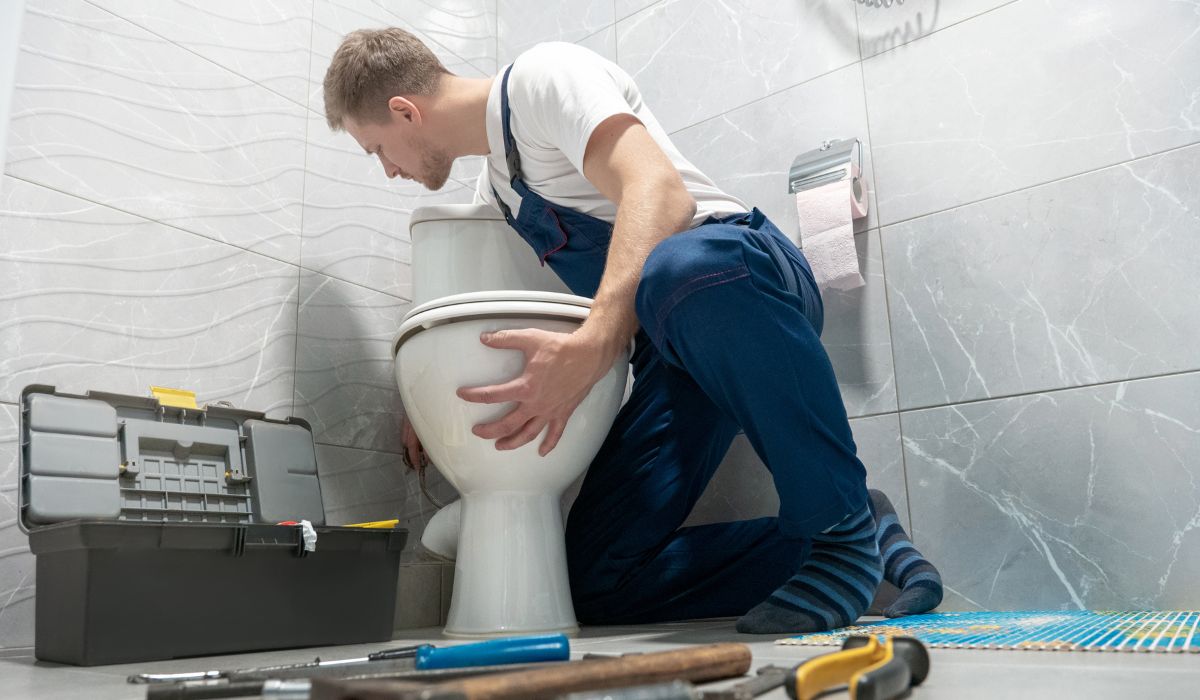
Enclosing the toilet frame is a step that, at first glance, seems to be purely a “finishing” task. In practice, however, it is one of the most critical steps in the entire installation process. It is at this stage that it is determined whether the toilet will be stable, quiet, and trouble-free to use, or whether cracks, loose parts, or service access issues will arise after a few months.
The most common mistake is treating the cladding as merely a decorative covering. In fact, it is a structural element that carries loads, stabilizes the frame, and affects the durability of the entire system. That is why it is important to approach this stage carefully and thoughtfully.
What Needs to Be Ready Before Enclosing the Frame
Before the frame is enclosed, the plumbing should be fully installed and tested. This involves not only connecting the water and sewer lines, but also ensuring that the frame itself is properly positioned.
The most important thing is to level it and secure it firmly to the floor and wall. The frame must not move or shift under pressure. Even slight play can, over time, lead to cracks in the enclosure or problems with the ceramic toilet bowl.
The second key factor is the installation height of the toilet bowl. The standard height is approximately 40–42 cm to the top edge of the toilet bowl, but it’s important to account for the thickness of the floor and finishing layers. A mistake at this stage will force you to make compromises later on that cannot be easily corrected.
Before closing off the wall, you should also perform a leak test. Checking the water and sewer connections is the last opportunity to have full access to the plumbing system. Once the wall is closed off, any repairs will require breaking through the wall.
What material should be used to build the frame enclosure?
The most common solution is waterproof drywall. This material works well in bathrooms, provided it is installed correctly.
In practice, this means using panels with enhanced moisture resistance and a suitable supporting framework. The structure should be rigid and stable, as it supports the loads resulting from the use of the toilet.
An alternative is construction panels made from cement or composite materials. They are more resistant to moisture and mechanical damage, which is why they are often used in high-traffic areas, such as public restrooms.
The choice of material should be based on the conditions, not just on price or ease of installation.
How to Properly Build the Enclosure Framework
The enclosure framework should be treated as a load-bearing element, not merely as a base for the tiles. The way the supporting framework is constructed is of key importance here.
The profiles should be securely fastened to the floor and walls, and their spacing should match the dimensions of the panels. In areas subject to higher loads, it is advisable to reduce the spacing between framework members to limit movement.
It is also very important to connect the enclosure to the frame. The entire structure should form a single, stable unit. If the enclosure is “separated” from the frame, it may move independently, leading to cracks and looseness.
In practice, a well-built structure does not make any noise, does not bend, and does not transmit vibrations during use.
Installing panels and preparing the surface for finishing
Once the framework is complete, you can begin installing the panels. Two layers of drywall are most commonly used, which significantly increases the rigidity of the entire structure.
The panels must be installed carefully, maintaining the proper spacing between screws. If the panels are not fastened frequently enough, the surface will shift, which over time will lead to cracks in the cladding.
After installing the panels, all joints should be filled and reinforced with tape. This step affects not only the appearance but also the durability of the finish.
Waterproofing is essential in wet areas. This applies especially to areas exposed to water. Failure to provide adequate protection can lead to moisture penetration into the structure and its gradual deterioration.
Service Access and Components That Are Often Overlooked
One of the most commonly overlooked issues is access to system components after the frame has been enclosed. In practice, the only access point for maintenance is the opening for the flush button.
This means that all key components must be accessible through this opening. This applies to the valves, the flush mechanism, and the control parts.
That is why it is so important to check, before enclosing the frame, whether everything is working properly and whether the components are accessible without dismantling the wall.
It’s also important to remember to cut the holes for the connections and the button precisely. Any inaccuracy at this stage makes it difficult to install the ceramic toilet bowl and can affect the appearance of the finished product.
The Most Common Mistakes When Enclosing a Toilet Frame
In practice, most problems stem from a few recurring mistakes.
The first issue is that the structure is too weak. If the supporting framework members are spaced too far apart or only one layer of panels is used, the enclosure moves under load.
The second mistake is failing to test the installation before closing it up. Even a minor leak after installation means you’ll have to cut into the finished wall.
Another problem is that the frame isn’t leveled properly. This causes the toilet bowl to be installed crookedly and leads to problems during use.
It is also common to find a lack of waterproofing or improper installation of waterproofing, which over time leads to moisture penetration in the structure.
Frame enclosures in public restrooms versus at home
In public spaces, the frame enclosure must meet higher requirements than in a home. This is due to the intensity of use and the greater risk of damage.
Solutions that are more resistant to moisture and impact are used there, and the structure is typically more reinforced. Ease of maintenance is also important, since any repairs must be quick and possible without taking the entire room out of service.
In single-family homes, the requirements are less stringent, but the principles remain the same. A well-constructed structure should be stable, durable, and moisture-resistant.
Summary
Enclosing the toilet frame is a step that determines the durability of the entire installation. A stable structure, precise workmanship, and checking all components before closing the enclosure are of key importance.
The biggest problems arise when this stage is treated as a mere formality. In practice, this is where it’s easiest to make mistakes that don’t become apparent until several months into use.
A well-built structure isn’t just about aesthetics—it’s primarily about avoiding problems in the future and ensuring trouble-free use for many years to come.