Best practices for cleaning and maintaining public restrooms.
Publication date: 10 December 2024
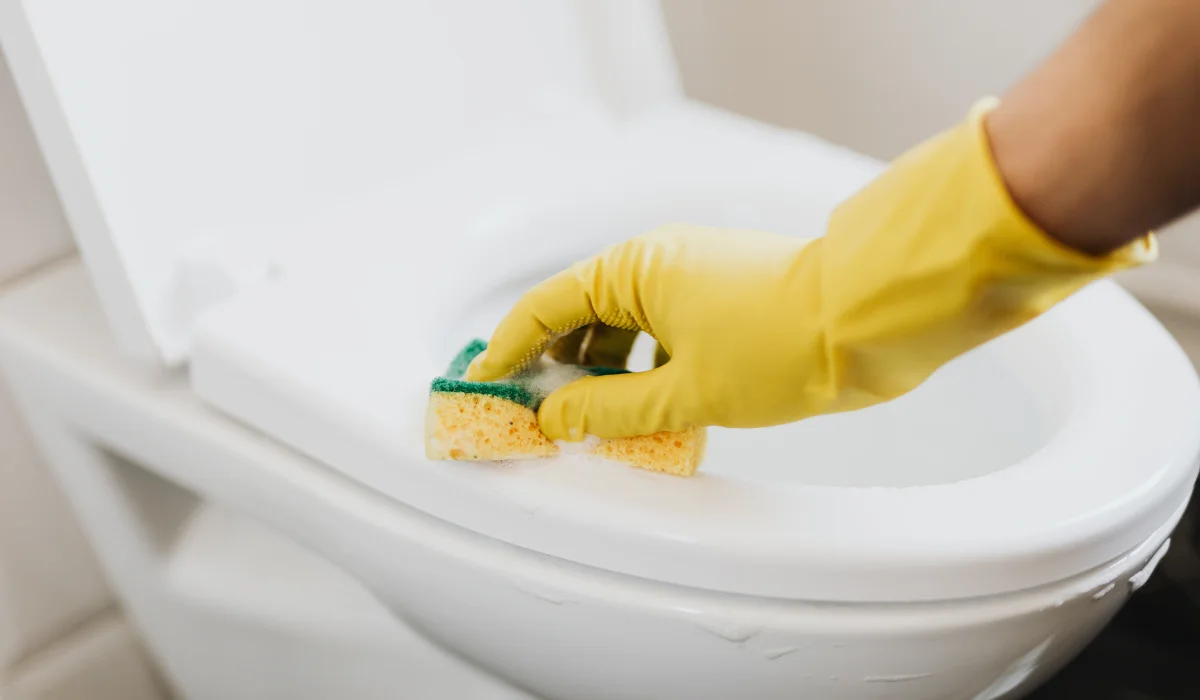
A clean public restroom is no accident. It is the result of good design, proper equipment, regular maintenance, trained staff, and clear procedures. Users see only the end result: toilet paper is available, the soap works, the trash can isn’t overflowing, the floor is dry, and the stall feels safe. For the facility manager, however, this simple result is backed by an entire hygiene maintenance system.
Why are public restrooms so difficult to maintain?
Public restrooms are used extensively and by a wide variety of people. They are used by shopping mall customers, train station passengers, restaurant guests, students, office workers, clinic patients, tourists, families with children, seniors, and people with disabilities. Every user has different needs, but the expectation is the same: the restroom should be clean, safe, and well-equipped.
The problem is that a public restroom is a space with high humidity, a large number of touch surfaces, and a constant risk of contamination. In a short period of time, many people use the same door handles, locks, flush buttons, faucets, soap dispensers, paper towel dispensers, paper towel holders, and trash cans.
That is why cleaning a public restroom should not be treated as simply a quick wipe of the floor and restocking the toilet paper. It is a process that must include cleaning, disinfection, checking hygiene supplies, waste removal, responding to emergencies, ventilation, and ongoing assessment of the restroom’s condition.
At Faneco, we often emphasize that restroom cleanliness depends on more than just the cleaning staff. The equipment also plays a major role. Spacious paper dispensers, properly functioning soap dispensers, well-chosen trash cans, durable toilet brushes, paper towel dispensers, and accessories designed to withstand heavy use make it easier to keep things tidy throughout the day.
Cleanliness starts with a procedure
The biggest mistake in maintaining public restrooms is taking only a reactive approach—that is, cleaning only after someone reports a problem or when dirt is already visible. In a high-traffic facility, that’s too late.
A good procedure should specify who cleans, when they clean, what exactly they check, what cleaning supplies they use, the order in which they perform the tasks, and how they report problems. This ensures that the standard does not depend on chance or on who happens to be on duty.
The procedure should be tailored to the facility. Cleaning a restroom in a small office is different from cleaning one in a restaurant, a gas station, a shopping mall, or a train station. At each location, factors such as foot traffic, peak hours, the type of users, the number of stalls, staff availability, and equipment must be taken into account.
The best procedure is simple, practical, and feasible. Rules that are too complicated—and that staff are unable to follow—quickly become a dead letter.
Cleaning and Disinfection Are Not the Same Thing
When cleaning public restrooms, it is very important to distinguish between two concepts: cleaning and disinfection. Cleaning removes visible dirt, deposits, dust, grease, paper scraps, stains, and organic contaminants. Disinfection is intended to reduce the number of microorganisms on surfaces.
The order matters. First, remove dirt, and only then disinfect. If a disinfectant is applied to a dirty surface, it may be less effective. Dirt, deposits, and organic residues prevent the disinfectant from making effective contact with the surface.
The second important issue is the duration of the disinfectant’s effectiveness. A disinfectant does not work immediately just because it has been sprayed. It must be used according to the manufacturer’s instructions, maintaining the proper concentration and contact time with the surface. Wiping the solution off too quickly may result in only superficial disinfection.
In practice, this means that staff should be trained not only on what to clean, but also on how to use cleaning chemicals. This includes proper dosing, contact time, personal protective equipment, ventilation, and the prohibition against mixing products that should not be combined.
Three levels of cleanliness
The most practical model for maintaining public restrooms can be divided into three levels: basic cleaning, routine maintenance, and deep cleaning.
Thorough cleaning is usually performed before the facility opens, after it closes, or during periods of the lowest foot traffic. Its purpose is to prepare the restroom for normal use. It includes emptying trash cans, replacing trash bags, cleaning toilet bowls, urinals, sinks, mirrors, countertops, floors, stall walls, dispensers, and refilling hygiene supplies.
Routine cleaning takes place throughout the day. It doesn’t always mean a complete cleanup from scratch. It often involves checking the stalls, removing fresh dirt, restocking paper, soap, and towels, emptying overflowing trash cans, wiping down sinks, and responding quickly to any issues.
Deep cleaning is more thorough and performed periodically. It covers areas that are not always cleaned during daily maintenance: grout lines, corners, the undersides of appliances, hinges, doors, ventilation grilles, dryer enclosures, trash cans, hard-to-reach areas of walls, drains, and the areas behind appliances.
This breakdown makes it easier to manage your work. Not everything needs to be done several times a day, but nothing should be neglected for weeks on end.
The order in which you clean matters
Proper cleaning procedures minimize the risk of transferring dirt from one area to another. As a general rule, clean from cleaner areas to dirtier ones and from top to bottom. This ensures that dust, droplets, and dirt do not end up on surfaces that have already been cleaned.
In practice, you can start by restocking supplies and removing trash, then move on to mirrors, countertops, dispensers, feeders, sinks, faucets, walls, and doors. Only then should you clean the toilet bowls, urinals, and areas most exposed to dirt. The floor should usually be cleaned last.
It is very important to keep cleaning tools separate. A cloth used on the toilet bowl must not be used later on the sink, mirror, or soap dispenser. In commercial facilities, a color-coding system works well: different cloths for restroom areas, different ones for sinks, and different ones for general surfaces. This approach reduces the risk of mistakes and makes it easier to train staff.
Brushes, mops, buckets, and gloves intended for different zones should also be kept separate. If a single set of tools is used on all surfaces, it is more difficult to maintain hygiene.
High-touch surfaces
In a public restroom, special attention must be paid to frequently touched surfaces. These are the ones most prone to transmitting germs and dirt.
These surfaces include doorknobs, shower stall locks, toilet flush buttons, handles, grab bars, faucets, soap dispensers, paper dispensers, paper towel dispensers, hand dryer housings, light switches, countertops, changing tables, entrance doors, and emergency buttons in accessible restrooms.
In a high-traffic facility, these items should be inspected and cleaned more frequently than surfaces that are rarely touched. It’s not enough to thoroughly clean the floors if the doorknobs and buttons are dirty. Users judge cleanliness primarily by what they touch.
It’s also important to remember the lower parts of the doors and cabin walls. Users often touch them with their shoes, bags, or hands. In high-traffic areas, dirt accumulates there faster than you might think.
Toilet bowls and urinals
Toilet bowls and urinals require regular cleaning and disinfection. This applies to the interior of the fixtures as well as the seats, lids, flush handles, exterior surfaces, the base where the fixture meets the floor, and the area around the drain.
Mineral deposits, stains, and organic dirt quickly build up in toilet bowls. If they aren’t removed regularly, they will later require stronger cleaning agents and more time to clean. That’s why it’s better to prevent these deposits than to remove them only after they become visible.
Urinals are particularly prone to odor problems. The source of an unpleasant odor is often not just the urinal itself, but also the area around the drain, the grates, the wall next to the urinal, the floor, and the grout. Therefore, cleaning the urinal area should also include the surrounding surfaces, not just the ceramic fixture itself.
Toilet brushes also need to be checked. A dirty, worn-out brush in the stall can ruin the impression of even a well-cleaned restroom. In public restrooms, it’s a good idea to use models that are easy to clean, sturdy, and durable enough to withstand heavy use.
Sinks, faucets, and hand-washing area
The sink area is one of the most important parts of a public restroom. This is where users conclude their visit and determine whether they can maintain proper hand hygiene. Therefore, sinks, faucets, soap dispensers, mirrors, countertops, towel dispensers, and trash cans should be inspected very frequently.
The most common problems include water stains, soap scum, limescale, spilled water, a wet countertop, streaks on the mirror, an empty soap dispenser, a paper towel dispenser that jams, and an overflowing trash can. These issues are very noticeable to users.
It is important that the paper towel dispenser or hand dryer be located near the sink. If a user has to walk a few steps with wet hands, water will end up on the floor. This detracts from the restroom’s appearance and increases the risk of slipping.
Soap dispensers should be in good working order, easy to refill, and cleaned regularly on the outside. The mere fact that there is soap inside is not enough. A dirty dispenser housing sends the message to users that the restroom is not well maintained.
Floors, Walls, and Drains
The floor in a public restroom is exposed to water, mud, sand, paper, chemicals, and dirt from shoes. It should be swept, washed, and dried regularly. A wet floor alone, even after cleaning, can be a problem if it looks messy or poses a slipping hazard.
In high-traffic areas, it’s important to use cleaning products and equipment suited to the type of flooring. Ceramic tiles, resin floors, stone, and non-slip surfaces are each cleaned differently. It is especially important to remove dirt from grout lines and corners, as that is where dirt tends to accumulate most often.
The walls and partitions of restroom stalls also need to be cleaned. This applies especially to the areas around sinks, urinals, hand dryers, trash cans, and doors. In public restrooms, walls should have moisture-resistant and easy-to-clean surfaces, but even the best material requires regular maintenance.
Drains and vents cannot be overlooked. A clogged drain, a foul odor from the sewer, or a dirty vent grille can quickly affect the overall impression of the restroom.
Restocking Hygiene Supplies
A lack of toilet paper, soap, or paper towels is one of the most common reasons for user dissatisfaction. Even if the restroom is clean, the absence of basic supplies means it fails to serve its purpose.
During each inspection, you must check the toilet paper, soap, paper towels, hand sanitizer, trash bags in the trash cans, and other supplies used at the facility. In women’s restrooms and accessible restrooms, it is also advisable to check the sanitary waste bins and any additional equipment.
The choice of equipment is crucial here. Spacious toilet paper holders, larger soap dispensers, and appropriately sized paper towel dispensers help minimize the risk of running out of supplies. In high-traffic facilities, small household-style accessories simply don’t cut it.
It’s also a good idea to avoid inconsistent systems. If a single restroom has three different types of dispensers, each requiring a different refill, it makes the staff’s job more difficult. Consistent equipment makes it easier to store, restock, and monitor inventory.
Trash Cans and Waste Management
Trash cans are one of the most important elements of maintaining cleanliness. A trash can that’s too small next to a paper towel dispenser will quickly overflow. The absence of a trash can in a women’s restroom can lead to waste being flushed down the toilet. A trash can placed too far from the sink causes users to leave towels on the counter or on the floor.
Trash cans should be selected based on the volume of traffic and the type of waste. In the sink area, a trash can with adequate capacity is needed, especially if paper towels are used. Hygienic trash cans should be placed in women’s restrooms and public restrooms. In family restrooms and accessible restrooms, care must be taken to ensure that the trash can does not obstruct the space needed for maneuvering.
Emptying trash cans should be part of every routine cleaning. An overflowing trash can immediately gives the impression of dirt, even if the rest of the restroom is clean. It’s also a good idea to wash the trash cans themselves regularly, since a dirty trash can can be a source of odors.
Odor and Ventilation
Smell is one of the quickest indicators of a restroom’s quality. A user may not notice the type of tiles, but will immediately notice an unpleasant odor. That’s why keeping the restroom smelling fresh shouldn’t rely solely on the use of air fresheners.
First, you need to eliminate the sources of the odor. These can include urinals, drains, overflowing trash cans, dirty toilet brushes, uncleaned grout, damp mops, lack of ventilation, or leaks in the plumbing. An air freshener can be a helpful addition, but it shouldn’t mask the problem.
Ventilation should be checked regularly. Clogged vents, poor draft, and a lack of air exchange lead to moisture, odors, and faster deterioration of equipment. In windowless restrooms, proper ventilation is absolutely essential.
Cleaning staff should report odor problems just as they would technical malfunctions. If a restroom continues to smell bad despite regular cleaning, the cause—whether technical or organizational—must be identified.
Restrooms accessible to people with disabilities
An accessible restroom requires special attention. It must not be used as a storage area for mops, cardboard boxes, or paper supplies. The maneuvering space must remain clear at all times, and the grab bars, alarm, paper towel dispenser, soap dispenser, paper towel holder, trash can, and sink must be accessible to the user.
During an inspection, you must check not only cleanliness but also functionality. Are the handrails stable? Does the alarm work? Does the trash can block the passageway? Is the paper dispenser within reach of a seated person? Is the floor dry and safe? Are the mirror and soap dispenser accessible?
Restrooms for people with disabilities are often used by seniors, parents with children, people who have suffered injuries, and people with luggage as well. Keeping them in good working order is therefore important for many groups of users.
It is also worth remembering that if the only available restroom is closed, out of order, or blocked, the user may have no alternative. Therefore, inspections should be regular and thorough.
Changing Tables and Family Areas
Changing tables in public restrooms require regular disinfection and technical inspections. These are surfaces where parents lay their young children, so they must be clean, dry, stable, and safe.
There should be a trash can next to the changing table—preferably one that closes—as well as access to a sink, soap, and a way to dry hands. If the changing table is installed in an accessible restroom, it must not obstruct the maneuvering space when unfolded.
Staff should check whether the mechanism operates smoothly, whether the surface is undamaged, whether the straps or safety features are in good working order, and whether there are any sharp edges nearby. In family-friendly facilities, shopping malls, restaurants, gas stations, and tourist attractions, a changing table is often one of the factors that significantly influence how the facility is rated.
Terms of Use and Information for Users
A good public restroom should have clear rules for use. They don’t have to be written in stiff, formal language. Short, clear messages work best—ones that remind users to keep the restroom clean, dispose of waste properly, refrain from damaging the facilities, and report any problems.
The information may also include details on where to report a paper shortage, a toilet flush malfunction, a flood, or a mess. If the user knows who to contact about the problem, the property manager can respond more quickly.
In high-traffic areas, it’s a good idea to use pictograms. They are easy to understand for foreigners, children, and people who don’t want to read lengthy rules and regulations. Near accessible restrooms, it’s important to ensure clear signage, high contrast, and messages that support different user groups.
Rules and regulations aren’t a substitute for cleaning, but they can help reduce some of the problems—especially when they are simple, clearly posted, and actually enforced.
Restroom Cleaning Schedule
The cleaning schedule should reflect the actual foot traffic at the facility. It’s not enough to simply write “clean twice a day” if the restroom serves hundreds of people during peak hours. In such places, more frequent routine cleaning is needed.
When creating a schedule, you need to take into account opening hours, peak traffic times, the number of stalls, the presence of food service, the type of users, seasonality, and special events. A restroom in a shopping mall on a Saturday requires different monitoring than one on a Tuesday morning. A restroom at a gas station along a highway may see heavy use in the evenings, on weekends, and during summer vacation. A restroom in an office will see the heaviest use during breaks and just before the end of the workday.
A good scheduler should distinguish between routine cleaning, day-to-day maintenance, and deep cleaning. They should also anticipate emergency situations: flooding, a toilet flush mechanism malfunction, a power outage, a clogged drain, vandalism, or a sudden increase in foot traffic.
It is a good idea to use cleaning inspection forms. They can be paper or electronic. It is important that they include the time of the inspection, the scope of the work performed, the signature of the person responsible, and any comments.
Cleaning Quality Control
Simply having a schedule isn’t enough. You also need to check whether it’s being followed and whether it’s producing the expected results. Quality control should cover cleanliness, odor, availability of supplies, the technical condition of equipment, and the response to reports.
The facility manager should conduct regular inspections. It’s a good idea to check not only whether the floor has been cleaned, but also whether the dispensers are clean on the outside, whether the paper feeder is working, whether the trash can is overflowing, whether there is paper in the stall, whether the handrails are secure, whether the ventilation is working, and whether there is any damage.
A checklist is a good solution. It should be short but specific. It ensures that different people evaluate the restroom using the same criteria. This makes it easier to maintain standards and allows recurring problems to be identified more quickly.
Monitoring should also include communication with users. Complaints, feedback, photos, and reports are an important source of information. If users regularly report the same problem, it means that the schedule, equipment, or organization of the service needs to be changed.
Training for Cleaning Staff
Cleaning staff have a huge impact on the quality of public restrooms, which is why they should be properly trained. Training should not be limited to showing them where the cleaning supplies are kept.
Employees should know how to distinguish between cleaning and disinfection, how to use cleaning chemicals, which surfaces must not be cleaned with the same tool, how to safely empty trash cans, how to report malfunctions, and how to respond to unusual situations.
Workplace hygiene is also important. Gloves, appropriate clothing, washing your hands after cleaning, safely storing chemicals, and not bringing dirty tools into clean areas are the basics.
Well-trained staff not only clean but also keep an eye out. They may notice a leaky toilet tank, a loose dispenser, a broken lock, a clogged drain, poor ventilation, or a shortage of towels. As a result, problems are resolved before they become apparent to users.
Equipment that makes it easier to keep things clean
High-quality fixtures in a public restroom can make cleaning much easier. The fixtures should be durable, easy to clean, moisture-resistant, and suited to the volume of traffic.
In public restrooms, lockable toilet paper dispensers, large-capacity soap dispensers, sturdy paper towel dispensers, sufficiently large trash cans, toilet brushes in easy-to-maintain housings, changing tables that are easy to disinfect, and stainless steel grab bars.
In high-traffic areas, it’s a good idea to choose lockable dispensers. They reduce the risk of theft, accidental opening, and mess. Capacity matters, too. The less often you have to restock paper, soap, and towels, the lower the risk of running out between inspections.
System consistency is also important. If similar dispensers, feeders, and cartridges are used throughout the facility, staff can work more quickly, and material storage is simpler.
The Most Common Mistakes in Maintaining Cleanliness in Public Restrooms
The first mistake is not cleaning often enough. A restroom may be clean in the morning, but after a few hours of heavy use, it looks completely different. The second mistake is cleaning according to a rigid schedule without adjusting for the actual volume of use.
The third mistake is neglecting high-touch surfaces. Door handles, locks, toilet flush handles, and dispensers are just as important as the floor. The fourth mistake is performing tasks in the wrong order and using the same tools for different areas.
The fifth mistake is failing to distinguish between cleaning and disinfection. The sixth mistake is using cleaning products that are too harsh or unsuitable, which can damage surfaces. The seventh mistake is not having a sufficient supply of hygiene supplies.
The eighth mistake is ignoring odors. The ninth is treating the available restroom as a spare room. The tenth is buying equipment that looks nice but has too little capacity or is difficult to maintain.
All of these mistakes have one thing in common: they cause the restroom to deteriorate more quickly, and users rate the facility more poorly.
A Practical Checklist for Public Restrooms
During a routine inspection, it’s a good idea to check whether there is toilet paper in the stalls, whether the toilets and urinals are clean, whether the locks are working, whether there is any dirt on the doors and walls, whether the trash cans are overflowing, and whether the floor is dry.
In the sink area, check the soap, paper towels or hand dryers, and the cleanliness of the faucets, sinks, mirrors, countertops, dispensers, and holders. It’s a good idea to check whether the trash can next to the paper towel dispenser needs to be emptied.
Throughout the restroom, assess the odor, ventilation, lighting, signage, the condition of the fixtures, and any malfunctions. In an accessible restroom, additionally check the grab bars, alarm, maneuvering space, and availability of equipment.
A checklist should be short but used consistently. That’s better than a lengthy document that no one fills out.
How can Faneco help?
Faneco provides equipment that makes it easier to keep public restrooms clean and ready for use. The product line includes, among other items, soap dispensers, toilet paper holders, paper towel dispensers and holders, hand dryers, trash cans, toilet brushes, changing tables, grab bars for people with disabilities, and stainless steel accessories.
Well-chosen equipment reduces the number of operational problems. A large-capacity paper dispenser minimizes the risk of running out of paper. A properly functioning soap dispenser promotes hand hygiene. The right trash can prevents clutter around the sink. Durable accessories make cleaning easier and withstand heavy use better.
A public restroom should be designed and equipped in a way that makes it easier to keep it clean, rather than making the staff’s job more difficult. That is why the choice of products matters not only on the day of installation, but every day it is in use.
Summary
Best practices for cleaning and maintaining public restrooms are based on a systematic approach. This requires a schedule, clear procedures, the proper sequence of tasks, trained staff, quality control, and equipment suited to the volume of traffic.
A clean public restroom is one where users have access to toilet paper, soap, towels, or a hand dryer; can safely use the stall; wash and dry their hands; dispose of waste; and leave with the impression that the facility is well-maintained. For the facility manager, this means organizing daily operations, regularly restocking supplies, responding quickly to malfunctions, and selecting products that can withstand heavy use.
The most important rule is simple: a public restroom must be kept clean throughout the day, not just right after the morning cleaning. It is this ongoing standard that determines user comfort, the facility’s reputation, and the actual level of hygiene.