Ways to Reduce the Maintenance Costs of Public Washrooms
Publication date: 2 April 2024
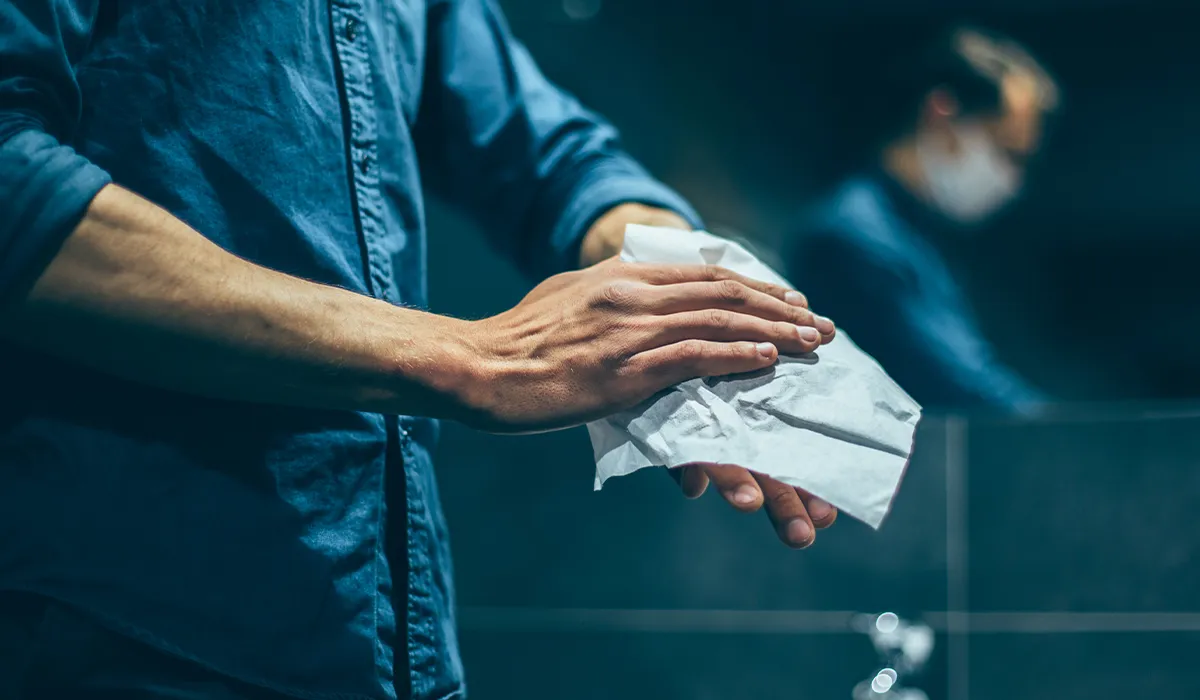
Access to washrooms in urban spaces and public utility buildings, along with the prevailing hygienic standards within them, are matters receiving ever-greater priority. Their location in the public realm must be planned so that they are easily accessible to all users. This consideration is particularly vital for disabled and elderly people; it has also gained heightened significance in the wake of the pandemic.
Maintaining public washrooms entails numerous challenges, predominantly financial. This stems from escalating operating costs, driven primarily by the prices of electricity, water, maintenance services, and essential consumables.
Dwell time in a public washroom is unpredictable, making operating costs difficult to monitor and budget for. Acts of vandalism and equipment damage also present a major issue, requiring immediate intervention and costly repairs.
In light of these challenges, proactive measures must be taken to reduce the maintenance costs of public washrooms. The lower the running costs, the greater the financial viability. This, in turn, ensures that facilities of this type can be sustained within public spaces.
Ways to Reduce the Operating Costs of Public Washrooms
The standards governing public utility buildings offer numerous opportunities. By complying with them, facility operators can enhance user comfort while achieving tangible savings. Efficient water supply and drainage systems reduce both water and energy consumption. Investing in new public washroom facilities that utilise durable, economical fittings is also highly beneficial.
Modern technologies make public washroom equipment more durable and less expensive to maintain. Regular inspections and servicing of sanitaryware, brassware, and plumbing systems help reduce the risk of costly breakdowns.
It is also entirely possible to maintain hygienic washroom conditions whilst curbing expenditure. To achieve this, cleaning schedules must primarily be tailored to actual demand, allowing facility managers to optimise the consumption of cleaning chemicals.
Reducing public washroom operating costs does not have to come at the expense of quality. Implementing efficient solutions across water management, energy efficiency, technology, and maintenance can deliver substantial savings whilst ensuring high levels of user comfort.
Water Conservation
Water consumption has a major impact on the running costs of public utility buildings. Deploying modern technologies and strategies aimed at reducing water consumption is essential, providing both economical and eco-friendly sanitary solutions. Such equipment includes waterless urinals and sensor flush valves, which provide automatic flushing and adjust the volume of water used to actual demand. Significant savings are also delivered by touchless basin taps (brassware), as well as automatic soap dispensers, hand sanitiser units, and paper towel dispensers that issue a controlled portion of product.
Actively reducing water consumption in public washrooms is not only financially advantageous, but also contributes to conserving water resources and protecting the natural environment. Investing in efficient public washroom equipment and promoting conscious water use represent a crucial step towards sustainable development.
Energy Conservation
Efficient energy utilisation in public washrooms is just as critical as reducing water consumption. To cut costs, specifying installations composed of energy-efficient products is highly recommended. Investing in LED lighting, which features low power draw and a long service life, makes it possible to significantly reduce electricity consumption.
Substantial energy savings are also achieved through the automation of lighting systems. Utilising motion sensors enables intelligent lighting control. This ensures that lighting is switched on only when genuinely necessary, keeping energy consumption to a minimum.
Energy conservation is vital not only from a cost perspective, but also from an ecological standpoint. Properly designed sanitary installations and the implementation of energy-efficient solutions contribute directly to environmental protection.
Cost-Effective Cleaning Versus Water Consumption
Keeping washrooms clean is paramount for user comfort and safety. However, it entails substantial ongoing costs. It is therefore worth investing in modern technologies and eco-friendly solutions that ensure installations remain hygienic and safe while consuming fewer cleaning agents.
Facility managers of public utility buildings are increasingly turning to concentrated cleaning and disinfectant formulations. Their high dilution yield requires less product to achieve the desired result. Lowering the cost of maintaining public washroom cleanliness is also made possible by automated cleaning systems, such as robotic cleaners or automatic floor scrubbers. These tools effectively reduce labour input and the time required for cleaning, as well as chemical consumption.
Operating costs are also curtailed by modern washroom fittings, such as smart flushing systems, automatic dispensers, and other touchless appliances.
The absence of direct contact with the fixture reduces the risk of bacterial transmission; at the same time, such equipment soils far more slowly, meaning it does not require cleaning as frequently as traditional counterparts. This maintains the highest hygiene standards in washrooms whilst cutting expenditure on cleaning products in public spaces. Public washrooms equipped with modern fittings consume less water!
Less flushing, more water saved!
Maintaining tidiness in the washroom is also supported by solutions such as automatic paper towel dispensers and electric hand dryers. This curtails the consumption of consumables, generating further savings. In addition, they reduce waste volumes, which not only makes keeping the room clean easier, but also mitigates environmental impact.
Sensible Waste Management
A facility’s operating costs are also influenced by how waste is managed. Savings here are fundamentally rooted in measures aimed at reducing the volume of waste generated. To this end, the primary objective must be to decrease the consumption of consumables.
The most cost-effective solution in this area is outfitting public washrooms with automatic, energy-efficient hand dryers. In the long run, this is a considerably cheaper alternative to paper towels. Using paper towels requires continuous replenishment and generates substantial quantities of rubbish. Dispensing with paper towels not only eliminates procurement expenses, but also yields a significant reduction in non-recyclable waste—and, consequently, the costs associated with its storage and disposal.
It is also well worth installing recycling bins in public washrooms. They make it easier to keep the space tidy, lowering the cost of maintaining cleanliness. Waste sorting also helps minimise waste management and disposal charges.
Broad Applications of Smart Systems
Smart technological solutions are increasingly being deployed in public washroom fixtures and equipment. They reduce operating costs through the efficient management of utility consumption. Monitoring water and energy consumption warrants particular attention; integrated advanced metering technologies allow close supervision of resource use. If excessive consumption or a fault is detected, prompt remedial action can be taken, minimising financial losses.
A substantial share of washroom maintenance expenditure arises from high water consumption by brassware and sanitary fittings, above all WC pans and urinals. Effective water management is entirely feasible, however, through solutions that optimise fixture performance, such as smart flushing systems. Water flow is controlled by integrated infrared sensors, which detect the user and record the duration of sanitaryware use. Water flow is activated only after a pre-programmed period has elapsed; this ensures that flushing is not triggered by individuals who are only momentarily within sensor range.
Intelligent systems of this kind can also analyse user footfall, reducing flush frequency during peak traffic periods, which translates into a significant reduction in water consumption. This ensures that sanitary equipment remains adapted even to heavy commercial use.
Renewable Energy Sources
Washrooms located in public utility buildings can be powered using roof-mounted solar panels. These convert solar radiation into electricity, which can be used to run lighting, ventilation, and public washroom equipment. Solar panels are exceptionally effective in high solar exposure areas and can deliver considerable savings, especially in high-footfall washrooms. Additionally, surplus generated electricity can be stored in batteries to guarantee power availability even during periods with less sunlight on the building.
Heat recovery systems are another method of utilising renewable energy sources in public washrooms, capturing exhaust heat from the facilities for practical reuse. These systems rely on heat exchangers that recover heat from exhaust air or wastewater, redirecting it to preheat water within the sanitary and heating circuits. As a result, heat recovery reduces the energy required for domestic water heating and space heating, translating into lower operational costs for public washrooms.
By implementing solutions based on renewable energy sources, public washrooms can become greener and more energy-efficient. They benefit both the environment, by reducing greenhouse gas emissions, and building owners. They lower facility maintenance overheads and enhance overall energy independence.
Summary
There are numerous ways to reduce the maintenance and operating costs of public washrooms.
In public washrooms, operators can:
- reduce the risk of breakdowns through regular inspections and maintenance,
- use more concentrated, high-yield cleaning chemicals,
- invest in automated LED lighting,
- rely on intelligent flushing systems and touchless brassware and dispensers to curb water usage,
- harness renewable energy sources.
Public washrooms can actively support sustainable development.
Specifying appropriate public washroom fixtures, installing the equipment recommended in this article, and adopting ecological solutions will all help drive down costs.