Stainless steel washbasins: applications and advantages.
Publication date: 13 November 2025
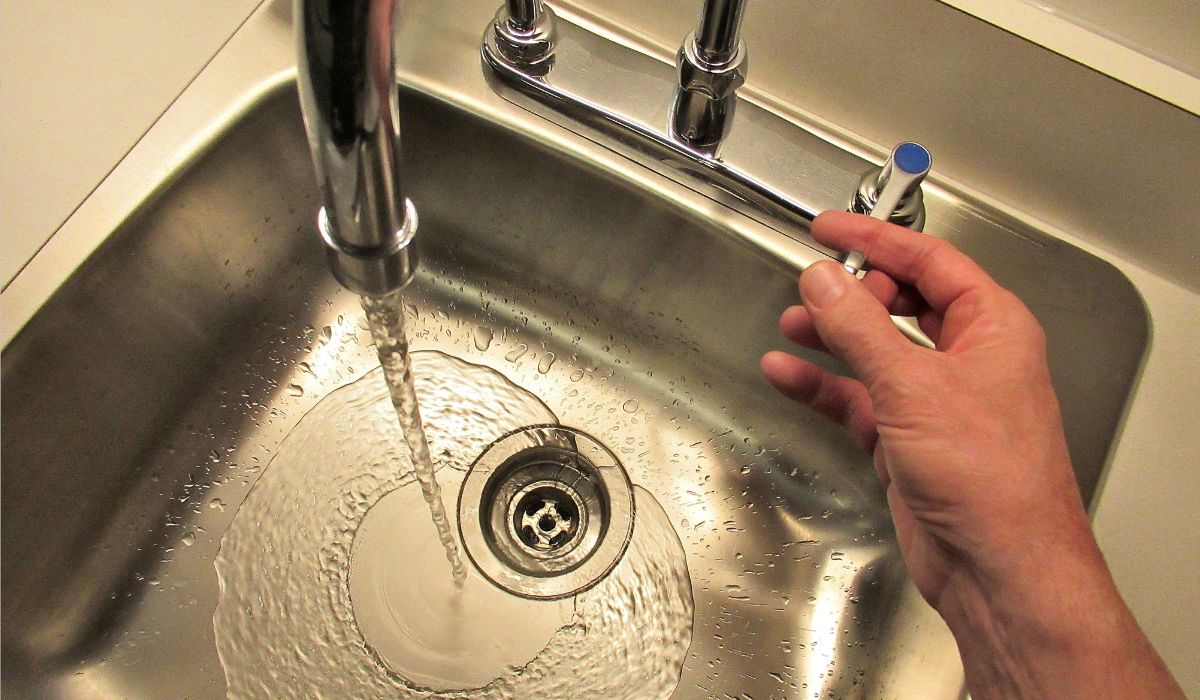
In public and commercial facilities, traditional washbasins quickly reveal their shortcomings: they crack, prove difficult to clean thoroughly, and every failure incurs costs while putting the washroom out of service. Having witnessed this across hundreds of projects, we increasingly turn to stainless steel washbasins, which effortlessly withstand heavy footfall, vandalism, and strict hygiene demands. Thanks to their high durability, impact resistance, and low-maintenance upkeep, they represent a solution that genuinely reduces operating costs and ensures uninterrupted washroom availability in high-traffic environments.
Where stainless steel washbasins perform best
A stainless steel washbasin excels primarily where reliability, high mechanical strength, and the ability to maintain consistent hygiene standards under heavy use are essential. From our perspective, it delivers the greatest value in high-traffic environments. This includes railway stations, shopping centres, schools, stadiums, and public buildings.
In such conditions, ceramic sanitaryware rapidly degrades. It cracks and chips, and a damaged basin ceases to be hygienic, requiring frequent replacement. Stainless steel, by contrast, retains its structural integrity over long periods. It does not chip or deform, even under repeated impacts, which significantly lowers operational costs.
The performance of stainless steel washbasins is equally proven in environments with heightened sanitary requirements. These include commercial catering back-of-house areas, technical workshops, laboratories, and healthcare facilities. In such settings, rapid disinfection and resistance to chemical agents are paramount. Stainless steel allows surfaces to be cleaned effortlessly, whilst its non-porous structure minimises the risk of dirt penetration. Consequently, stainless steel washbasins have become the standard across many industrial and healthcare installations.
Contemporary washroom designs in commercial offices are also increasingly turning to steel solutions. The reason is straightforward: the material offers tremendous design flexibility and enables precise ergonomic adaptation. As a result, stainless steel washbasins perform exceptionally well in accessible washrooms. Carefully contoured basins enhance user comfort, whilst the steel aesthetic integrates seamlessly into minimalist interior schemes.
Nor can we overlook vandalism-prone premises. In schools, sports clubs, municipal public toilets, and transit hubs, traditional washbasins sometimes fail to last even a few months. Under these circumstances, a stainless steel washbasin is often the only viable solution that ensures long-term durability and minimal failure rates.
Types of stainless steel washbasins worth considering
Selecting the appropriate type of steel washbasin directly influences user convenience and layout flexibility. Classic wall-mounted basins are the most versatile option. They perform reliably in schools, manufacturing facilities, and staff welfare areas. Compact and resilient under heavy usage, their construction facilitates swift installation and straightforward service access.
Inset (drop-in) and undermount washbasins are more frequently specified for prestigious, customer-facing spaces. They offer a sleek, minimalist aesthetic while concealing plumbing services. Ideal for office buildings, contemporary public washrooms, and restaurants, they blend the robustness of steel with an elegance that complements a wide array of finishing materials.
In compact washrooms, corner basins offer distinct advantages. Their design makes optimal use of available space, enhancing overall washroom ergonomics. Conversely, in schools, workplaces, and industrial halls, multi-station wash troughs or multi-user basins are widely utilised. These accommodate high throughput within short timeframes, featuring sturdy construction engineered specifically for intensive service.
In accessible washrooms, specialised stainless steel basins featuring a shallow bowl depth and modified geometry are specified. These models facilitate wheelchair access and provide comfortable arm and hand support along the rims. Where required, they integrate seamlessly with grab bars and support rails. Because steel is readily formed, basin designs can be tailored precisely to statutory requirements and end-user needs.
Key technical specifications to consider
Specifying the right steel washbasin begins with verifying the grade of stainless steel. Grade 304 stainless steel is the most common choice, offering exceptional quality and durability under typical operational conditions. For environments exposed to salt, chlorine, or persistent humidity, Grade 316 steel should be specified. Its chemical composition enhances corrosion resistance, making it ideal for swimming pool areas, coastal locations, and industrial facilities handling aggressive chemicals.
Sheet metal thickness is another critical factor. The standard for public washbasins ranges from 0.8 to 1.2 millimetres. Greater gauge thickness delivers increased rigidity and resistance to deformation. If a facility is susceptible to vandalism, choosing heavy-gauge models is advisable, as this reduces the risk of denting and permanent deformation.
Compliance with standard EN 14688 plays a significant role, defining requirements for structural durability, load resistance, chemical resistance, and drainage performance. Products certified to this standard have undergone rigorous testing for mechanical strength and functional performance, ensuring greater operational predictability.
Finally, surface finish must be considered. A satin finish is the most practical choice, effectively masking micro-scratches and everyday wear. High-polish basins offer a more decorative look, well suited to lower-traffic environments. For public and commercial facilities, brushed finishes are generally optimal, striking the right balance between refined aesthetics, durability, and ease of maintenance.
Hygiene, safety, and routine maintenance
Hygiene is among the most compelling arguments for specifying a stainless steel washbasin. Stainless steel features a smooth, non-porous surface, preventing contaminants from penetrating the material. Soap scum, cosmetic residue, and organic soil can be removed quickly without requiring harsh cleaning agents. In operational terms, this translates into reduced cleaning times and lower maintenance expenditure. This advantage is particularly pronounced in healthcare and catering settings, where frequent cleaning and disinfection are mandatory, and every surface must inhibit microbial growth.
A stainless steel washbasin also upholds hygiene under heavy traffic. Its construction is deliberately engineered to minimise dirt traps. Rounded internal contours and seamless, pressed bowls eliminate crevices where debris and deposits could accumulate. Unlike sanitaryware ceramics, which dull over time and lose their glazed smoothness, steel remains uniform and resistant to micro-scratches. This makes it substantially easier to preserve a pristine, sterile appearance even through intensive daily use.
It is worth emphasising, however, that stainless steel is not a self-cleaning material. Routine cleaning protocols remain essential. Steel simply streamlines these regimes, responding well to standard detergents while requiring no elaborate care. In facilities subject to strict hygiene regimes, we incorporate additional safety enhancements, such as high splashbacks to contain water spray or touch-free brassware. This minimises cross-contamination risks and heightens user protection.
Thermal resistance is another key safety factor. Stainless steel withstands boiling water and severe thermal shock without cracking or warping. Consequently, a steel washbasin retains its performance characteristics throughout its entire service life. This resilience is vital in industrial facilities, processing laboratories, and hospitals, where strict hygiene requirements converge with demands for mechanical endurance.
Durability, costs, and long-term cost-efficiency
Durability is one of the most compelling arguments for specifying stainless steel washbasins. Although the initial capital outlay can be higher than for traditional ceramic sanitaryware, the total cost of ownership tells a very different story. A steel basin does not crack or chip; it absorbs heavy impacts and does not deform under mechanical load. In high-footfall venues, this robustness significantly extends trouble-free service life. Across many of our completed projects, stainless steel basins have been operating for over ten years without needing replacement.
A lower failure rate directly curbs operating expenses. Replacing a ceramic basin requires removal, plumbing alterations, and reinstallation. In public facilities, it often necessitates temporarily taking the washroom out of service. Stainless steel washbasins reduce such disruptions to a minimum. Across an entire facility, this translates into tangible cost savings and greater budget predictability.
Ongoing maintenance costs are also lower. Stainless steel does not demand specialist chemicals and can be cleaned swiftly. Its surface tolerates most commercial detergents, ensuring that routine upkeep does not degrade material durability. This is especially vital where cleaning crews operate on tight schedules and must turn rooms around quickly.
Another major advantage of stainless steel washbasins is their environmental credential. Stainless steel is highly recyclable, aligning seamlessly with modern green building certification schemes such as LEED and BREEAM. In projects where circular materials and recycled content are prioritised, steel helps boost sustainability ratings. Furthermore, its longevity keeps items out of the waste stream, reducing the overall environmental footprint of the building.
Over the long term, a stainless steel washbasin represents one of the most cost-effective investments in the sanitary equipment sector. It delivers stability, lowers operational expenditure, and upholds uncompromising hygiene standards. In commercial and public facilities where reliability and predictability are essential, it genuinely enhances the performance of the entire washroom infrastructure.
Summary
A stainless steel washbasin is an ideal solution for facilities defined by high footfall, rigorous hygiene demands, and the need for long-lasting fixtures. It combines damage resistance, effortless maintenance, and predictable operating costs with an aesthetic appeal that endures for years.
Thanks to precision fabrication capabilities and compliance with technical standards, it adapts readily to diverse building types—from schools and industrial facilities to healthcare environments and modern commercial offices. For building owners and specifiers, this translates into superior reliability and reduced risk of downtime, whilst delivering enhanced safety and comfort for end users.