Turkish Toilets: What You Need to Know and Where to Buy
Publication date: 27 February 2024
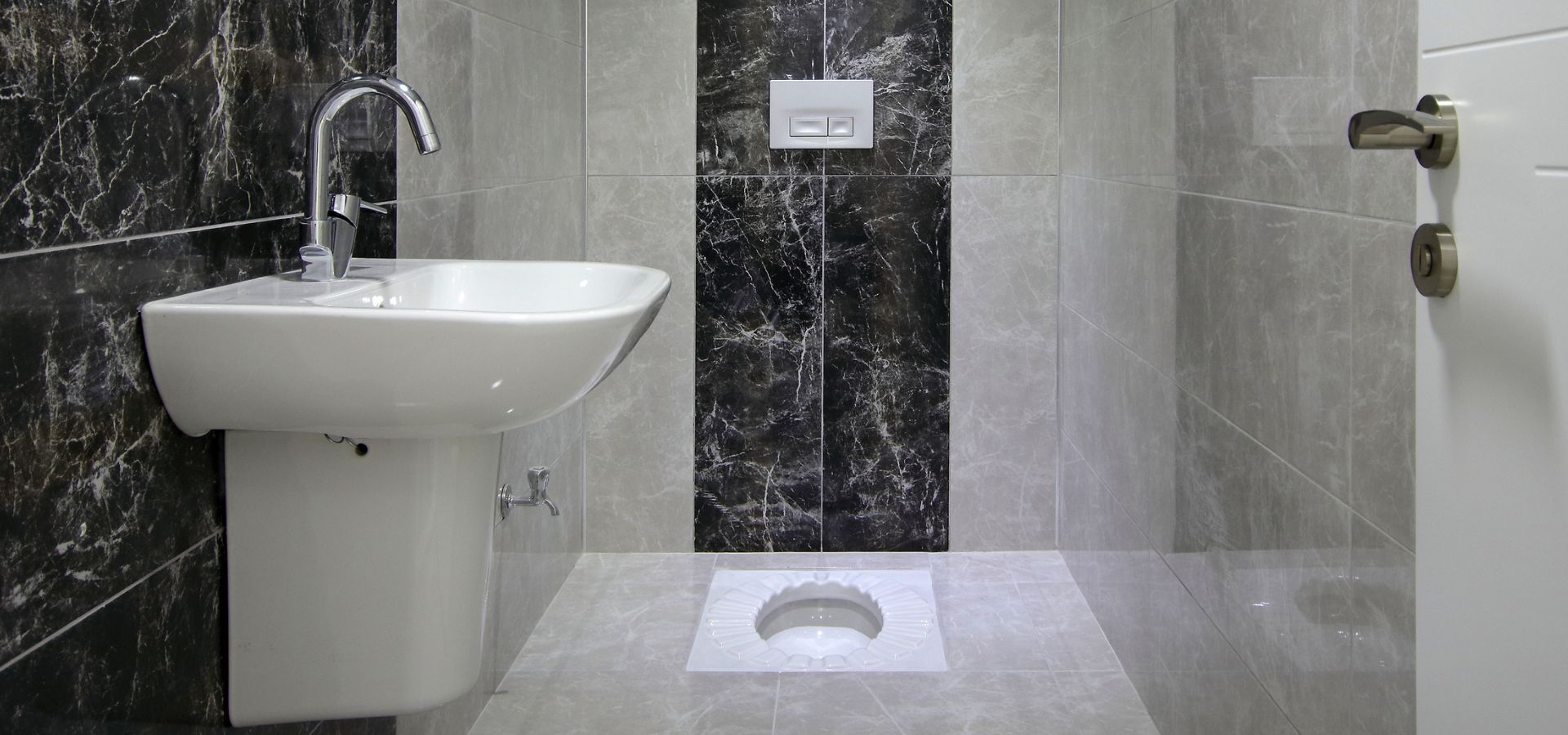
Have you ever considered an alternative to the traditional wall-hung toilet? What are the benefits of a squat toilet? Turkish toilets are a sanitary solution rooted in antiquity; whilst they may not be as widespread as they once were, they still have many advocates. Is it worth considering one? We explore their history, advantages, drawbacks, and everything you need to know about installing a Turkish toilet so you can make an informed decision.
What Is a Turkish Toilet?
A Turkish toilet—also known as a squat toilet, Turkish WC, or squatting pan—is a sanitary solution that differs from standard toilets primarily in the way it is used. It is used in a squatting posture, which offers distinct ergonomic as well as hygienic benefits.
The central element of a Turkish toilet is a pan installed flush with the floor. The absence of a conventional toilet seat ensures the user has no direct contact with the surface, significantly enhancing hygiene standards. Footplates positioned on either side of the pan provide stable footing and make adopting the correct posture effortless.
Additionally, the pan surface is pitched at an angle to facilitate efficient waste drainage. This design makes a Turkish toilet far easier to keep clean than traditional models. For this reason, squatting pans are widely specified in public washrooms, where hygiene and ease of maintenance are paramount.
Turkish toilets are particularly prevalent across the Middle East, Southeast Asia, and Southern Europe. In certain regions, they represent the cultural baseline, making their provision in public spaces essential to meet user expectations.
Advantages of Turkish Toilets in Public Facilities
Superior Hygiene
One of the primary benefits of a Turkish toilet is its exceptional level of hygiene. Because there is no skin contact with a toilet seat, the risk of transmitting bacteria and viruses is drastically reduced. In public facilities—such as shopping centres, transport hubs, and stadiums accommodating hundreds of visitors daily—squat toilets minimise cross-contamination risks.
Furthermore, maintaining cleanliness within the cubicle itself is far simpler. Eliminating components such as toilet seats removes hard-to-reach crevices where dirt can accumulate.
Ergonomic Posture
Using a Turkish WC in a squatting position aligns far better with human physiology. This posture promotes more complete bowel evacuation, helping prevent common health issues such as constipation and haemorrhoids. Studies demonstrate that a squatting posture enables more natural elimination, reducing the time spent in the washroom and enhancing user comfort.
Lower Maintenance Costs
The straightforward engineering of a Turkish toilet translates into fewer parts prone to breakdown. The absence of a toilet seat or overly complex flushing mechanisms significantly mitigates damage risks and lowers ongoing maintenance costs.
Cleaning is also substantially faster and more efficient. Seamless surfaces and the absence of awkward crevices allow cleaning to proceed smoothly, directly reducing facility running costs. For facility managers operating high-footfall sites, this delivers a compelling argument in favour of Turkish toilets.
Durability and Robust Construction
Squatting pans are typically fabricated from damage-resistant materials such as stainless steel or heavy-duty sanitaryware ceramics. Consequently, Turkish WCs perform exceptionally well in washrooms subject to intensive use.
Furthermore, floor-integrated installation makes squat toilets inherently less susceptible to vandalism. Compared to standard toilets, which may require frequent repairs or replacement of damaged components, squat toilets offer superior resistance to damage.
Pictured below is a modern, durable squat toilet, available from us at a competitive price.
Which Facilities Benefit Most from Installing a Turkish WC?
Turkish toilets excel in specific environments where durability, hygiene, and cultural accommodation are critical. Choosing a squat toilet can substantially improve visitor satisfaction while reducing facility maintenance costs. Below are the key environments where installing a Turkish WC proves advantageous.
High-Traffic Commercial Facilities
- Railway and bus stations
Transport hubs accommodate thousands of passengers every day. Under such demanding conditions, squat toilets are an ideal solution thanks to their straightforward build and low-maintenance profile. The absence of a toilet seat eliminates the need for frequent replacement of components vulnerable to damage or contamination.
- Shopping centres
In shopping centres, public washrooms must meet rigorous hygiene standards. Turkish toilets make it easier to maintain cleanliness in the cubicles, fostering a positive customer experience. Furthermore, rapid turnaround times for cleaning and fewer mechanical breakdowns translate into lower operational expenditure.
- Stadiums and entertainment arenas
During sporting events or concerts, washroom user numbers surge dramatically. A Turkish WC serves as an outstanding solution, speeding up washroom turnaround times while facilitating rapid cleaning. The heavy-duty construction of squatting pans resists mechanical damage, which is vital in high-traffic environments.
Locations with Specific Cultural Preferences
In facilities frequented by visitors from countries where squat toilets are standard, installing a Turkish WC significantly enhances visitor comfort. This is particularly relevant in tourist destinations, airports, and places of worship. Providing a squatting pan demonstrates that a facility accommodates diverse cultural requirements, enhancing guest satisfaction and the overall perception of the venue.
- Schools and universities
Washrooms in educational institutions must be robust and straightforward to clean. Squat toilets minimise wear and tear while safeguarding high standards of hygiene. Young people often have fewer hesitations using this style of toilet, providing another practical reason for their specification.
- Workplaces and manufacturing plants
In industrial workplaces where communal washrooms are used by numerous workers, durability and ease of cleaning are paramount. A Turkish WC fulfills these criteria, and its simple design leaves it less prone to breakdown. This helps curb maintenance expenditure while ensuring adequate, hygienic sanitary conditions for personnel.
How to Design a Functional Turkish Toilet Cubicle?
Correct washroom layout design is key to ensuring user comfort and efficient sanitation. Here are several key factors to consider during the planning phase.
To ensure the Turkish toilet is practical and comfortable, the cubicle must provide adequate dimensions. The minimum footprint is 90 x 120 cm. The squatting pan should be positioned centrally, flanked by footplates on both sides to provide secure, stable footing.
Attention should also be given to appropriate door height and sufficient manoeuvring space, particularly when designing for users of varying heights and physical statures.
In squat washrooms, an effective flushing system is fundamental to hygiene. We recommend installing sensor-operated or automatic flushing systems to minimise touching toilet components. High-efficiency flush mechanisms should guarantee thorough waste clearance with minimal water consumption. Dual-flush or water-saving cisterns using approximately 4–6 litres per flush represent an ideal solution.
Selecting appropriate materials is key to longevity and effortless maintenance. Stainless steel is ideal for squatting pan fabrication, offering exceptional corrosion resistance, mechanical durability, and ease of cleaning. High-grade sanitaryware ceramic serves as an alternative, also delivering superior resilience.
For enhanced user safety, anti-slip tiles should be specified for the cubicle flooring. These prevent slip hazards, particularly in wet environments, improving both user safety and overall comfort.
Summary
While differing from the seated fixtures familiar across Western countries, Turkish squat toilets boast a long tradition and remain widely adopted in many regions around the world. Opting for a squat pan is not merely a practical calculation, but frequently an aesthetic or cultural choice. Despite specific technical challenges during sanitaryware installation, a properly installed Turkish toilet delivers years of dependable service, peerless hygiene, and user convenience.
If you are planning to install this type of sanitary solution, review the installation requirements carefully and seek advice from industry specialists where needed. Whether choosing a standard toilet pan or a Turkish squatting pan, correct installation and a rigorous cleaning and maintenance schedule remain essential.