Operating for Over 1,300 Years: What Can the Hospitality Industry Learn from Hōshi Ryokan?
Publication date: 15 January 2024
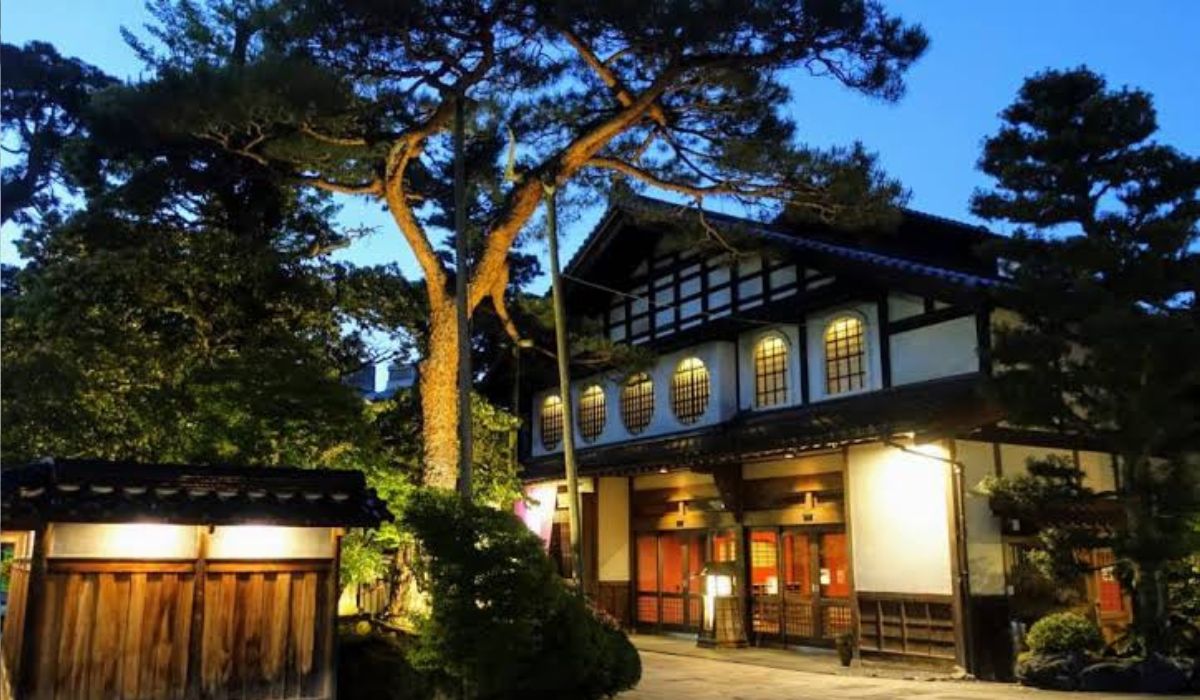
Operating a single hospitality property for over 1,300 years sounds like a legend, but in Japan, this history is very real. Hōshi Ryokan, a traditional Japanese inn in Awazu Onsen, has been operating since 718 and was run by the same family across 46 generations. It is an extraordinary story of hospitality, consistency, and attention to detail. This includes the details that might seem the most routine in a hotel: cleanliness, comfort, the bathroom, the washroom, and the sense that the guest is truly cared for.
Hōshi Ryokan and the World’s Oldest Hotels
Hōshi Ryokan is located in Awazu Onsen, Ishikawa Prefecture, Japan. According to the property’s history, it was founded in 718—over 1,300 years ago. For many years, it was cited as the world’s oldest operating hotel and one of the oldest family-run businesses.
However, it is worth clarifying a fact that is often confused. According to Guinness World Records, the title of the world’s oldest hotel is currently held by Nishiyama Onsen Keiunkan—another Japanese ryokan, founded in 705. Hōshi Ryokan, meanwhile, remains one of the oldest continuously operating hotels in the world and an enduring symbol of multi-generational hospitality.
For the hospitality industry, this distinction does not change the key takeaway. Japan is home to accommodation facilities that have survived for more than thirteen centuries because they succeeded in blending tradition with adaptation to successive eras. They would not have endured so long had they relied solely on their heritage. They had to consistently meet guest expectations at every stage.
What Does 1,300 Years of Hospitality Mean?
A hotel, guesthouse, or inn may boast a rich history, but guests evaluate their stay on very practical terms. Was the room clean? Was the bathroom comfortable? Were soap, paper, and hand towels readily available in the washroom? Did staff respond promptly? Did everything work seamlessly?
This is precisely where the strength of long-standing establishments lies. Hospitality is not a one-off gesture; it is the consistency of the standard. Every arriving guest should feel that the facility has been prepared specifically for them, even if thousands of others have used it before.
In the case of Hōshi Ryokan and other traditional ryokans, the Japanese concept of omotenashi—attentive, anticipatory hospitality—is paramount. It is not merely about courtesy. It is about preparing the space so thoroughly that the guest never has to ask for essentials. They must feel that someone has anticipated their comfort in advance.
In a modern hotel, this principle translates into very tangible measures. A guest should never have to ask for toilet paper, report an empty soap dispenser, wonder whether the hand dryer works, or step into a bathroom that looks worn or poorly cleaned. High-quality equipment and sound operational organisation ensure that basic needs are met before the guest even notices them.
Why Do Bathrooms and Washrooms Have Such a Profound Impact on Hotel Ratings?
Many elements shape a guest’s impression of a hotel: reception, the lobby scent, room décor, the bed, breakfast, customer service, and location. Even so, the bathroom is one of the most critical spaces when it comes to building trust. If the bathroom is spotless, fully functional, and well appointed, the guest assumes the entire property is well managed. If the bathroom falls short, recovering that positive first impression is exceptionally difficult.
This reaction is largely intuitive. A guest might overlook simpler room décor, but they are far less forgiving of a grimy shower enclosure, a damaged dispenser, an empty toilet roll holder, an unpleasant odour, or traces left by previous occupants. Because the bathroom is an intimate, private space, hygiene expectations are exceptionally high.
Hotel review studies and guest sentiment analyses have shown for years that cleanliness is a primary driver of guest satisfaction. Furthermore, bathrooms are among the areas guests photograph and detail most frequently in online reviews—particularly when dissatisfied. In practice, a neglected bathroom can impact not only an individual visit, but also the booking decisions of prospective guests.
Hotel Washrooms: Extending Beyond the Guest Room
When discussing hotel bathrooms, we often focus on the guest room. Yet across any accommodation facility, communal and public washrooms carry enormous weight. These are located by reception, in the lobby, restaurants, conference rooms, spa and wellness zones, poolside, event suites, or right by the main entrance.
A public washroom is frequently the first facility a guest visits before checking in—perhaps after a long journey, ahead of a business meeting, after breakfast, during a conference, or right before departure. It often provides their very first tangible encounter with the hotel’s standards of hygiene.
If the reception washroom is pristine, well lit, freshly scented, and fully stocked with consumables, the guest receives a clear signal: this establishment cares about details. If it is neglected, the effect is reversed. Even the most elegant lobby cannot compensate for an empty soap dispenser, an overflowing bin, and a malfunctioning flush mechanism.
Across hotels, guesthouses, and conference venues, public washrooms must be treated with the same priority as guest rooms. They are not back-of-house utility areas; they are an integral part of the guest experience.
What Does the History of Hōshi Ryokan Teach Us?
The first lesson: longevity does not mean stagnation. Hōshi Ryokan survived for over 1,300 years not because everything remained frozen in the 8th century, but because it preserved its distinctive character while adapting to the expectations of successive generations.
This holds vital relevance for contemporary hotels. Guests may appreciate heritage, local charm, traditional décor, and an intimate atmosphere, but they still demand modern hygiene standards. Historic walls, period interiors, or family-run heritage can never excuse worn-out fittings, poor ventilation, or an inconvenient bathroom layout.
The second lesson is consistency. Guests do not judge a hotel on the owner’s intentions; they judge it on their actual stay. The standard must deliver every single day: Monday morning, Saturday evening, peak holiday season, during major conferences, and at full occupancy.
The third lesson is attention to detail. In hospitality, details are far more visible than operators often realise. A guest notices whether a bathroom hook is secure, whether the mirror is streak-free, whether the dispenser operates smoothly, whether paper towels dispense without tearing, whether the shower has a shelf for toiletries, and whether the bin has been emptied.
The fourth lesson centres on trust. A hotel is a space where guests place a part of their privacy into the property’s hands. They use the bed, bathroom, towels, toilet, restaurant, and communal areas. When they perceive cleanliness and order, trusting the establishment as a whole becomes second nature.
Hotel Bathroom Equipment: What Truly Matters?
A good hotel bathroom must be aesthetically pleasing, but above all, functional. Guests do not inspect the brand of brassware or the technical specifications of a dispenser. They assess whether everything operates properly, whether it is clean, whether there is counter space for their washbag, whether they can wash their hands comfortably, and whether the space feels fresh.
In a hotel bedroom ensuite, essential elements include: reliable brassware, a well-sized basin, a mirror, effective lighting, towel rails or robe hooks, a bin, a toilet brush, dispensers or a hospitality amenity set, towel storage, and easy-to-clean surfaces. The smaller the bathroom, the more crucial the spatial layout becomes.
In communal washrooms, the most critical components are: toilet paper dispensers, soap dispensers, hand towel dispensers or hand dryers, waste bins, mirrors, clear signage, toilet brushes, cubicle locks, coat hooks, and equipment tailored for accessible washrooms.
In high-traffic hotels, operators should specify high-capacity fittings designed to withstand heavy commercial use and allow rapid replenishment. Running out of paper or soap in a washroom adjacent to the hotel restaurant is a minor maintenance oversight, but a major blow to brand image.
Why Dispenser Capacity Matters More Than It Seems
Hotels often focus heavily on aesthetics while overlooking replenishment logistics. Yet a washroom must remain fully functional throughout the day. If dispensers have insufficient capacity, housekeeping staff must service them constantly. During a conference, wedding reception, tour group arrival, or fully booked restaurant service, consumables can run out at the worst possible moment.
This is why high-capacity toilet roll dispensers, large-volume soap dispensers, and appropriately sized waste bins prove so effective in communal hotel washrooms. It is not merely a matter of guest convenience; it significantly alleviates the operational burden on facilities staff.
Well-specified washroom accessories reduce the frequency of manual interventions, minimise run-out risks, and help maintain consistent hygiene standards over extended periods. For any hotel aiming to build strong guest reviews, such operational consistency is invaluable.
Materials and Durability: Why Hotels Must Avoid Domestic-Grade Fittings
Commercial hotel equipment undergoes far more rigorous use than residential fixtures. This applies especially to communal washrooms, shared facilities, and venues with high guest turnover. A dispenser used a few times a day at home may be operated hundreds of times daily in a hotel environment.
Specifying accessories therefore requires close attention to impact resistance, robust fixing mechanisms, ease of cleaning, availability of consumable spare parts, and swift refilling. In many properties, stainless steel proves ideal—particularly where footfall is high and fittings must withstand heavy use and accidental impacts.
High-grade ABS plastic is also a viable choice, provided the product is engineered for commercial use and built to commercial standards. It is crucial not to confuse professional commercial equipment with low-cost domestic accessories. In a hotel, apparent upfront savings on dispensers, paper holders, or bins quickly translate into equipment failures, guest complaints, and a diminished guest perception.
Cleanliness as a Pillar of the Hotel Brand
The world’s oldest hospitality establishments demonstrate that a brand is not built in a single season; it is cultivated over decades and centuries. Contemporary hotels do not need to wait 1,300 years to apply this principle. Every review, every photo, and every guest touchpoint directly shapes reputation.
Cleanliness stands out as one of the most critical elements of this reputation because its impact is immediate. A guest does not need to be a hospitality expert to spot soiled grout, limescale marks, an empty dispenser, or the smell of damp. Such details find their way into online reviews very quickly.
Crucially, guests increasingly photograph and document their stays. An image of a neglected bathroom, dirty toilet, or stained fitting often carries more weight than a written review. In the hospitality sector, visual evidence of poor standards is particularly damaging, as prospective guests make booking decisions based heavily on photo galleries and recent reviews.
Consequently, washroom and bathroom maintenance is never solely a housekeeping duty. It is a fundamental component of marketing, sales, and reputation management.
The Public Hotel Washroom: How Should It Be Equipped?
A communal hotel washroom must accommodate diverse user groups, including overnight guests, conference delegates, restaurant diners, visitors waiting in the lobby, families with young children, elderly guests, and persons with disabilities.
Fundamental requirements include toilet cubicles with robust indicator locks, high-capacity paper dispensers, toilet brushes, sanitary disposal bins, coat hooks, washbasins, soap dispensers, hand dryers or paper towel dispensers, mirrors, and general waste bins. In accessible toilets, compliant grab bars, sufficient manoeuvring space, and accessories installed at appropriate mounting heights are mandatory.
In hotels featuring restaurants or conference facilities, user throughput is critical. During coffee breaks, breakfast rushes, or wedding banquets, washrooms experience intense surges in demand within short timeframes. Inadequate fixture counts, small bins, and low-capacity dispensers quickly lead to service bottlenecks.
Best practice dictates designing washroom layouts not for average daily footfall, but for peak operational loads. It is precisely during peak moments that negative reviews are generated.
The Ensuite Bathroom: Personal Comfort That Defines the Stay
An ensuite guest room bathroom must provide an unmistakable sense of freshness and privacy. Guests use it immediately upon arrival, after travelling, before bed, and first thing in the morning. It is one of the most personal spaces in the entire room.
What matters most is both visible and perceived hygiene. Visible hygiene means an absence of water marks, stray hairs, soap scum, stains, and residues from previous occupants. Perceived hygiene is the confidence that all fittings are sanitary, fresh, and systematically maintained.
Equipment must be durable and intuitive. A guest should never have to puzzle over how to operate a dispenser, dispose of waste, hang a towel, or latch a shower enclosure. A hotel bathroom must be effortless to use, aesthetically refined, and built for rigorous daily use.
Attention to smaller accessories is vital: robe hooks, a vanity shelf near the basin, a securely fixed toilet roll holder, a waste bin, a mirror, a watertight shower enclosure, effective lighting, and reliable ventilation. These are the functional details guests notice immediately—especially when missing.
Ventilation and Air Quality
In a hotel bathroom, scent and air quality play a decisive role. Fresh air reinforces the perception of hygiene, while poor air quality instantly destroys it. Even a beautifully finished bathroom will receive poor feedback if guests detect dampness, drainage odours, harsh chemical fumes, or stale air.
Ventilation is therefore not a mere building services detail; it is an active component of the guest experience. In hotels where bathrooms are compact and frequently windowless, efficient mechanical ventilation is essential. It mitigates condensation, prevents mirror fogging, inhibits mould growth, and eliminates lingering odours.
Air fresheners can offer supplementary support, but must never be used to mask underlying issues. If a bathroom smells unpleasant, facilities teams must inspect ventilation extracts, floor drains, traps, cleaning schedules, sanitary bin servicing, and wall/floor surface materials.
In hospitality, scent is one of the quickest sensory triggers to be remembered. A guest may not recall the specific model of a basin mixer tap, but they will distinctly remember whether the bathroom smelled fresh.
Accessibility as a New Standard, Not an Add-On
Modern hotels must approach accessibility far beyond minimum statutory compliance. Guests with disabilities, seniors, parents with prams, guests recovering from surgery, travellers with heavy luggage, and individuals with temporary mobility limitations all require accessible, intuitive, and predictable spaces.
An accessible washroom requires more than just adequate floor area. What truly determines functionality is the precise positioning of grab bars, basin mounting heights, and the reachable placement of soap dispensers, paper towel dispensers, mirrors, waste bins, and toilet paper. A common design pitfall is installing accessories where convenient for the contractor rather than where reachable for a wheelchair user.
Hotels should also provide a commercial baby changing unit, ideally accessible outside the female washroom as well. Hospitality operators increasingly recognise that childcare responsibilities are shared across all family members. A well-designed baby changing station sends a clear, reassuring signal that the hotel caters thoughtfully to real-world guest needs.
Maintenance and Inspection: Equipment Must Perform Daily
Specifying quality equipment is only half the battle; ongoing maintenance accounts for the other half. Even the finest dispenser is useless if left empty. Even the most stylish washroom loses its value without clearly designated inspection routines.
Hotels require a structured inspection checklist for guest bathrooms and communal washrooms. Facilities staff must routinely check paper levels, soap, hand towels, waste bins, floor condition, ambient odour, and the operational status of hand dryers, cubicle locks, flush mechanisms, and brassware. In conference venues, audit frequency should increase during scheduled event breaks.
Stock management is equally crucial. The property must maintain a steady buffer of consumables and high-turnover spare parts. Running out of dispenser refills over a busy weekend or during high-occupancy events creates an operational breakdown that could easily have been prevented.
Historic hospitality establishments teach a fundamental principle: standards cannot be left to chance. They must be systematically organised.
Tradition and Modernity Working in Harmony
Hōshi Ryokan proves that heritage need not conflict with modernity. A hotel can celebrate history, local character, and authentic atmosphere while seamlessly integrating practical hygiene solutions.
This principle holds equal relevance for Polish hotels, guesthouses, spa retreats, wedding venues, and hotel restaurants. A property does not need a hyper-modern aesthetic or minimalist architecture to excel. What it must provide, without exception, is cleanliness, comfort, and reliably functioning equipment.
In practice, this means selecting commercial-grade accessories that complement the interior architecture. A boutique hotel can feature refined dispensers that enhance the decor. A conference venue benefits from robust, high-capacity installations. A spa area demands moisture-resistant, corrosion-proof accessories that withstand rigorous disinfection.
Quality washroom fittings should never clash with the interior design scheme; they should elevate and reinforce the establishment’s standards.
What Washroom Equipment Should Hotels Specify?
For communal washrooms, specifications should include high-capacity toilet paper dispensers, soap dispensers, paper towel dispensers or commercial hand dryers, general waste bins, sanitary disposal bins, toilet brushes, mirrors, coat hooks, signage, and equipment for accessible washrooms.
For ensuite guest bathrooms, key specifications encompass durable robe hooks and rails, waste bins, toilet brushes, refillable amenity dispensers, basin countertop accessories, ergonomic mirrors, and organisational aids. If the hotel transitions from single-use miniature toiletries to wall-mounted dispensers, the selected system must be sleek, tamper-proof, drip-free, and easy to refill.
In restaurant and conference washrooms, peak throughput is the deciding factor. Operators should select high-volume dispensers, heavy-duty hand dryers or high-capacity folded towel systems, appropriately sized waste bins, and fittings engineered for high footfall.
In spa and wellness zones, special consideration must be given to ambient humidity, ease of chemical disinfection, slip resistance, material durability, and resistance to aggressive cleaning agents.
What Mistakes Should Hotels Avoid?
The first mistake is selecting equipment based purely on visual styling. A product may look appealing in a catalogue yet fail under heavy commercial traffic. The second mistake is underestimating dispenser and bin capacities. The third is a lack of standardisation: using disparate refill systems across different washrooms complicates housekeeping workflows.
The fourth mistake is complicated maintenance access. If refilling soap, paper, or towels is cumbersome, staff waste valuable time. The fifth mistake is treating accessibility as an afterthought; a washroom that is nominally designated as accessible but equipped incorrectly fails to serve its core purpose.
The sixth mistake is an absence of quality control. A guest is unconcerned that a washroom was clean two hours prior; they evaluate the space strictly at the moment of use.
The seventh mistake is economising on high-contact touchpoints. Dispensers, locks, door handles, hand dryers, and bin mechanisms endure continuous physical operation every single day. If they feel flimsy or fail, they quickly compromise the perceived quality of the entire hotel.
How Can Faneco Support Hotel Operators?
As a manufacturer and distributor of commercial washroom equipment, Faneco delivers solutions proven across diverse hospitality and commercial sectors: hotels, guesthouses, restaurants, service stations, commercial office buildings, educational facilities, shopping centres, and leisure facilities.
In the hotel industry, matching equipment to specific operational zones is vital. Ensuite bathrooms require different specifications than reception washrooms, restaurants, conference facilities, or spa complexes. Key considerations include capacity, structural durability, aesthetic appeal, ease of servicing, and overall system cohesion.
Carefully specified washroom accessories simplify cleaning routines, prevent stockouts, empower housekeeping teams, and elevate the overall guest experience. They represent the exact type of detail that goes unnoticed when operating flawlessly, yet draws immediate criticism the moment it fails.
Summary
The history of Hōshi Ryokan demonstrates that authentic hospitality is anchored in consistency. A hotel can endure across decades—and centuries—when it preserves guest trust and aligns its service standards with evolving expectations. Today’s traveller seeks more than ambience, location, and attentive service; they expect uncompromised hygiene, comfort, a functional ensuite bathroom, and impeccably equipped communal washrooms.
Bathrooms and washrooms are not auxiliary hotel amenities; they are a defining litmus test of overall quality. They are where guests verify whether management truly pays attention to detail. Toilet tissue, soap, hand towels, reliable dispensers, spotless mirrors, convenient bins, smooth-operating cubicle locks, and fresh air might appear modest in isolation, but collectively they define the hotel’s standard of professionalism.
The world’s oldest hotels remind us that exemplary hospitality is not achieved through one-off impressions; it is built on the daily repetition of high standards. Specifying the right washroom and bathroom accessories is therefore an investment in the guest journey, brand perception, and the long-term reputation of the property.